-
Havana Electric

“House Home” by Joshua Ness/ CC0 1.0 Homebuying Checklist ✔️

The next inductee into LMTMH’s Hall of Fame is Havana Electric. Havana Electric is a family-owned company that provides electrician services for residential and commercial customers. They are located right outside of Charlotte in Monroe, NC.
We have personal experience using Havana Electric. We contacted them for a quote on installing a ceiling fan. They responded quickly and provided the most reasonable price. Not to mention, their reviews are stellar.
On the day of installation, they arrived on time, made sure that we knew what to expect and quickly installed our ceiling fan. Afterwards, Havana Electric cleared the boxes and plastic that came with the ceiling fan. They ensured that we understood how to use our new ceiling fan and we happily paid for the wonderful service provided.
Based on our amazing experience with Havana Electric, we can confirm that the wonderful reviews you see online are true. If you are in need of services from a reliable electrician, check them out and please tell them that Lead Me to My Home sent you.
Havana Electric
4720 Kiddle Ln
Monroe, NC 28110
704.232.5033Financially, Are You Ready to Buy
One of the first steps to moving forward with the home buying Process is to determine if you are financially ready to buy and maintain your property. Many of us, self included, picture what we are paying in rent and imagine that we can pay about that much in our mortgage payments. Therefore, we are ready. Unfortunately, it is not that simple.
When determining if we are ready to buy a home, we must factor in things like:
- Maintenance and repairs
- Lawn upkeep
- New furniture
- HOA fees
- Emergencies of all kinds
In addition to these items, you want to make sure that you can continue to save, invest and/or payoff debt. Buying a home should not financially cripple you. If it potentially does, you may want to reconsider purchasing a home at this time.
How do you know when your ready?
In order to determine if you are ready to purchase your palace, you should have the following items in place.
- A tried and true budget
- A comfortable savings account
- Reliable stream of income (i.e. 2 years of consistent employment)
- An additional stream of income
- Retirement and investment accounts established
These are just some of the basics to consider prior to determining whether or not you are financially prepared to buy a home.
How’s Your Credit Score?
After assessing your finances and determining that you can afford the overall expenses that come with purchasing a home, you will most certainly want to obtain your credit score. In addition to your credit score, you will want to have a good understanding of what’s included on your credit report.
As you may know, credit scores can range from 300 – 850. Generally speaking, the higher your credit score, the better your chances are for capturing the best interest rate. Prior to applying for a home you would want to get your score to its highest rate possible. According to experian.com, the minimum score to purchase a home can range from 500 – 700.
While preparing to buy a home, do what you can to increase your score. Some of the things you can do are as follows:
- Pay down credit cards to get a utilization of 30% or below.
- Continue to pay all bills on time.
- Keep your oldest accounts open.
While you consistently work to improve your credit score, we highly advise you use apps like credit karma or other credit tracking systems to see how your credit is improving. Additionally, you will want to pull your credit report from each of the three credit bureaus to ensure all reported information is correct. The three credit bureaus are:
- Experian
- Equifax
- Transunion
After reviewing your credit report for accuracies, you want to make sure to dispute any erroneous information. Each credit bureau has instructions on how inaccurate information is to be disputed.
Lastly, as you are going through the home buying process and awaiting closure of your home loan, you must make sure not open nor run your credit for any new accounts! No new accounts should be open until you sign for the home and you’re officially moved in!
Decide on the type of mortgage loan that works best for you.
There are primarily four different mortgage types. They are FHA, Conventional, VA loans and USDA loans. Each of them has their pros and cons. Depending on your situation when buying a home, one will be more suitable for you than the other. It is always in your best interest to research as much as possible prior to making your home purchase. Remember, an educated buyer is the best buyer!
Let’s start off with the definitions of each mortgage type.
- Federal Housing Administration (FHA)
- Conventional
- VA Loan
- USDA Loan
An FHA loan is a federally insured loan that is a part of HUD. This loan type offers many benefits to the lender and allows the lenders to provide advantages such as lower down payment, closing costs and credit scores.
While an FHA loan has its advantages, there are also some disadvantages. Some of those disadvantages include sellers willing to exclude FHA loans from consideration, mortgage insurance requirements and stringent appraisal requirements.
A Conventional loan is any loan that is not guaranteed by or insured by the government as the Consumer Financial Protection Bureau (CFPB) explains. It is a great option because many sellers prefer this loan and it has less stipulations once you’re approved by the bank.
Some of disadvantages for a conventional loan include having to have a stronger credit score and a larger down payment.
A Department of Veterans Affairs (VA) loan is a mortgage loan that is offered to servicemembers, veteran’s and eligible surviving spouses. This loan is partially guaranteed or insured by the VA and offered through various banks.
According to benefits.va.gov, the VA loan does not have a down payment requirement although the lender may choose to require one. Additionally, Private Mortgage Insurance (PMI), is not needed and these loan types come with limited closing costs.
The U.S. Department of Agriculture (USDA) Loan is a loan offered to individuals or families wishing to buy or build their home in rural areas. This loan type offers 33-year terms and individuals may qualify with exceptionally low income. For details more details on the USDA Loan, I encourage you to check out rd.usda.gov.
Note: Always remember to check on Grant programs for credits offered towards either the down-payment or closing costs.
-
Get those squatters OUT of my home!
“House Home” by Joshua Ness/ CC0 1.0 Homebuying Checklist ✔️
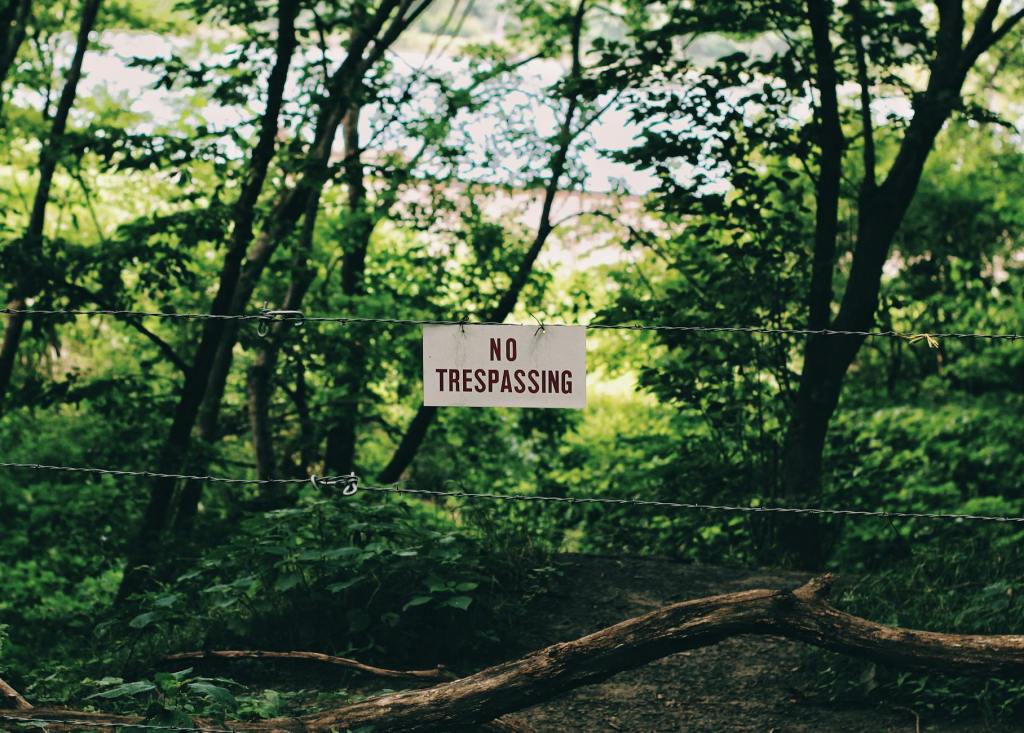
Photo by Adam Lowly on Pexels.com More and more, I’m noticing unwanted encounters with squatters. Lately, I’ve seen some infuriating stories on the news and YouTube of homeowners encountering squatters either in their home or rental property.
For those of you that don’t know, a squatter is defined as a person who enters an unoccupied property without permission with the intent of living there or occupying it for free. What nerve, right?!
Well according to lawdistrict.com, squatter’s rights were brought over from the British property laws and show relevance through Homestead laws which exist in most states. I’m thinking we need some updates to these laws!
Although we do have these laws that protect squatters, there are some ways in which you can deter them. Some of the ways in which you can deter squatters include:- Have a no trespassing sign on your property.
- Monitor and maintain your home security system.
- Regularly visit your property, check and empty the mail and make attempts to make it look lived in.
- Get to know your neighbors so that they can let you or the police know if they see someone entering your house.
- Hire a property management company to maintain the property.
These are just a few tips that will hopefully deter any would be squatters.
In the event that you do encounter squatters on your property, be sure to contact the police right away! This will help you to have a report for legal proceedings. Additionally, you definitely want to contact an attorney as different states have different laws pertaining to evicting squatters. All in all, I hope that you never encounter this sort of issue. However, it would most certainly be in your favor to be prepared in the event you do.
Financially, Are You Ready to Buy
One of the first steps to moving forward with the home buying Process is to determine if you are financially ready to buy and maintain your property. Many of us, self included, picture what we are paying in rent and imagine that we can pay about that much in our mortgage payments. Therefore, we are ready. Unfortunately, it is not that simple.
When determining if we are ready to buy a home, we must factor in things like:
- Maintenance and repairs
- Lawn upkeep
- New furniture
- HOA fees
- Emergencies of all kinds
In addition to these items, you want to make sure that you can continue to save, invest and/or payoff debt. Buying a home should not financially cripple you. If it potentially does, you may want to reconsider purchasing a home at this time.
How do you know when your ready?
In order to determine if you are ready to purchase your palace, you should have the following items in place.
- A tried and true budget
- A comfortable savings account
- Reliable stream of income (i.e. 2 years of consistent employment)
- An additional stream of income
- Retirement and investment accounts established
These are just some of the basics to consider prior to determining whether or not you are financially prepared to buy a home.
How’s Your Credit Score?
After assessing your finances and determining that you can afford the overall expenses that come with purchasing a home, you will most certainly want to obtain your credit score. In addition to your credit score, you will want to have a good understanding of what’s included on your credit report.
As you may know, credit scores can range from 300 – 850. Generally speaking, the higher your credit score, the better your chances are for capturing the best interest rate. Prior to applying for a home you would want to get your score to its highest rate possible. According to experian.com, the minimum score to purchase a home can range from 500 – 700.
While preparing to buy a home, do what you can to increase your score. Some of the things you can do are as follows:
- Pay down credit cards to get a utilization of 30% or below.
- Continue to pay all bills on time.
- Keep your oldest accounts open.
While you consistently work to improve your credit score, we highly advise you use apps like credit karma or other credit tracking systems to see how your credit is improving. Additionally, you will want to pull your credit report from each of the three credit bureaus to ensure all reported information is correct. The three credit bureaus are:
- Experian
- Equifax
- Transunion
After reviewing your credit report for accuracies, you want to make sure to dispute any erroneous information. Each credit bureau has instructions on how inaccurate information is to be disputed.
Lastly, as you are going through the home buying process and awaiting closure of your home loan, you must make sure not open nor run your credit for any new accounts! No new accounts should be open until you sign for the home and you’re officially moved in!
Decide on the type of mortgage loan that works best for you.
There are primarily four different mortgage types. They are FHA, Conventional, VA loans and USDA loans. Each of them has their pros and cons. Depending on your situation when buying a home, one will be more suitable for you than the other. It is always in your best interest to research as much as possible prior to making your home purchase. Remember, an educated buyer is the best buyer!
Let’s start off with the definitions of each mortgage type.
- Federal Housing Administration (FHA)
- Conventional
- VA Loan
- USDA Loan
An FHA loan is a federally insured loan that is a part of HUD. This loan type offers many benefits to the lender and allows the lenders to provide advantages such as lower down payment, closing costs and credit scores.
While an FHA loan has its advantages, there are also some disadvantages. Some of those disadvantages include sellers willing to exclude FHA loans from consideration, mortgage insurance requirements and stringent appraisal requirements.
A Conventional loan is any loan that is not guaranteed by or insured by the government as the Consumer Financial Protection Bureau (CFPB) explains. It is a great option because many sellers prefer this loan and it has less stipulations once you’re approved by the bank.
Some of disadvantages for a conventional loan include having to have a stronger credit score and a larger down payment.
A Department of Veterans Affairs (VA) loan is a mortgage loan that is offered to servicemembers, veteran’s and eligible surviving spouses. This loan is partially guaranteed or insured by the VA and offered through various banks.
According to benefits.va.gov, the VA loan does not have a down payment requirement although the lender may choose to require one. Additionally, Private Mortgage Insurance (PMI), is not needed and these loan types come with limited closing costs.
The U.S. Department of Agriculture (USDA) Loan is a loan offered to individuals or families wishing to buy or build their home in rural areas. This loan type offers 33-year terms and individuals may qualify with exceptionally low income. For details more details on the USDA Loan, I encourage you to check out rd.usda.gov.
Note: Always remember to check on Grant programs for credits offered towards either the down-payment or closing costs.
-
Should I get a warranty for my Home?
“House Home” by Joshua Ness/ CC0 1.0 Homebuying Checklist ✔️

Photo by Ksenia Chernaya on Pexels.com Deciding rather or not to purchase a warranty can be a tricky decision. Many homeowners decide to purchase a warranty after an unforeseen and costly maintenance issue has arisen. Our hope is to give you some guidance in making that decision prior to a potential costly repair.
What is a warranty?
A home warranty is a product that protects your home systems or appliances in the event of emergency or repair. So in other words, instead of coming out of pocket for the full cost, you may just be responsible for any deductible or service charge and uncovered items.
Pros
One of the pros of getting a home warranty is that you have coverage over some home systems and appliances in the event they break down. Having such coverage can help to remain in budget and not have to locate financing in the event of costly maintenance or repairs.
Another pro of having a home warranty is that you may have high service levels offered by the warranty company versus using your neighborhood service repair company. As many of us know, this can be either very pleasant or super stressful!
Cons
One of the cons of having a home warranty is that you may pay into it for months and potentially years without having the benefit of using the service. However, we all know that one day you will need it.
Another con is that the service needed is not covered by the home warranty. This can be a very frustrating experience especially after paying religiously for a service only to not have coverage.
In the event you decide to get a home warranty, the company that I recommend is Elite Home Warranty. This company has some of the best reviews out of all of the warranty companies that I have researched. They maintain an A+ grade with the Better Business Bureau (BBB), they have stellar consumeraffairs.com reviews and Forbes ranked them as one of the best home warranty companies.
In conclusion, if you decide not to get a home warranty my advice is to always have either available funds saved for the home or some sort of line of credit for repairs. On the other hand, if you decide to purchase a home warranty, I advise you to take the time and understand what is covered versus what isn’t. Furthermore, thoroughly investigate the warranty company to ensure that the services promised will be delivered when necessary.
Financially, Are You Ready to Buy
One of the first steps to moving forward with the home buying Process is to determine if you are financially ready to buy and maintain your property. Many of us, self included, picture what we are paying in rent and imagine that we can pay about that much in our mortgage payments. Therefore, we are ready. Unfortunately, it is not that simple.
When determining if we are ready to buy a home, we must factor in things like:
- Maintenance and repairs
- Lawn upkeep
- New furniture
- HOA fees
- Emergencies of all kinds
In addition to these items, you want to make sure that you can continue to save, invest and/or payoff debt. Buying a home should not financially cripple you. If it potentially does, you may want to reconsider purchasing a home at this time.
How do you know when your ready?
In order to determine if you are ready to purchase your palace, you should have the following items in place.
- A tried and true budget
- A comfortable savings account
- Reliable stream of income (i.e. 2 years of consistent employment)
- An additional stream of income
- Retirement and investment accounts established
These are just some of the basics to consider prior to determining whether or not you are financially prepared to buy a home.
How’s Your Credit Score?
After assessing your finances and determining that you can afford the overall expenses that come with purchasing a home, you will most certainly want to obtain your credit score. In addition to your credit score, you will want to have a good understanding of what’s included on your credit report.
As you may know, credit scores can range from 300 – 850. Generally speaking, the higher your credit score, the better your chances are for capturing the best interest rate. Prior to applying for a home you would want to get your score to its highest rate possible. According to experian.com, the minimum score to purchase a home can range from 500 – 700.
While preparing to buy a home, do what you can to increase your score. Some of the things you can do are as follows:
- Pay down credit cards to get a utilization of 30% or below.
- Continue to pay all bills on time.
- Keep your oldest accounts open.
While you consistently work to improve your credit score, we highly advise you use apps like credit karma or other credit tracking systems to see how your credit is improving. Additionally, you will want to pull your credit report from each of the three credit bureaus to ensure all reported information is correct. The three credit bureaus are:
- Experian
- Equifax
- Transunion
After reviewing your credit report for accuracies, you want to make sure to dispute any erroneous information. Each credit bureau has instructions on how inaccurate information is to be disputed.
Lastly, as you are going through the home buying process and awaiting closure of your home loan, you must make sure not open nor run your credit for any new accounts! No new accounts should be open until you sign for the home and you’re officially moved in!
Decide on the type of mortgage loan that works best for you.
There are primarily four different mortgage types. They are FHA, Conventional, VA loans and USDA loans. Each of them has their pros and cons. Depending on your situation when buying a home, one will be more suitable for you than the other. It is always in your best interest to research as much as possible prior to making your home purchase. Remember, an educated buyer is the best buyer!
Let’s start off with the definitions of each mortgage type.
- Federal Housing Administration (FHA)
- Conventional
- VA Loan
- USDA Loan
An FHA loan is a federally insured loan that is a part of HUD. This loan type offers many benefits to the lender and allows the lenders to provide advantages such as lower down payment, closing costs and credit scores.
While an FHA loan has its advantages, there are also some disadvantages. Some of those disadvantages include sellers willing to exclude FHA loans from consideration, mortgage insurance requirements and stringent appraisal requirements.
A Conventional loan is any loan that is not guaranteed by or insured by the government as the Consumer Financial Protection Bureau (CFPB) explains. It is a great option because many sellers prefer this loan and it has less stipulations once you’re approved by the bank.
Some of disadvantages for a conventional loan include having to have a stronger credit score and a larger down payment.
A Department of Veterans Affairs (VA) loan is a mortgage loan that is offered to servicemembers, veteran’s and eligible surviving spouses. This loan is partially guaranteed or insured by the VA and offered through various banks.
According to benefits.va.gov, the VA loan does not have a down payment requirement although the lender may choose to require one. Additionally, Private Mortgage Insurance (PMI), is not needed and these loan types come with limited closing costs.
The U.S. Department of Agriculture (USDA) Loan is a loan offered to individuals or families wishing to buy or build their home in rural areas. This loan type offers 33-year terms and individuals may qualify with exceptionally low income. For details more details on the USDA Loan, I encourage you to check out rd.usda.gov.
Note: Always remember to check on Grant programs for credits offered towards either the down-payment or closing costs.
-
Tips to Prepare your Home for Winter
“House Home” by Joshua Ness/ CC0 1.0 Homebuying Checklist ✔️

Photo by Roy Post on Pexels.com Preparing your home for the winter is a proactive step to take towards your and your family’s safety. There are various ways to prep your home depending on the environment in which you reside. Nonetheless, we will provide you with some basic tips for most environments during the winter.
Pipes
To ensure pipes are protected during the winter, you can start by adding insulation to exposed pipes. Another option would be to add a specialized pipe bag to your outside pipes or to visit your local hardware store to find other options.
A reason to ensure your pipes are protected during the winter is to avoid the potential of them bursting. As you may know, once pipes are frozen and then you later attempt to use them, the pressure from running water through frozen pipes may very well cause them to burst! Lets do all that we can to avoid this problem.
Gutters
The start of the winter can be a good time to clean your gutters. Throughout the year, leaves and other debris has had the opportunity to build up in your gutters.
We recommend having a routine to clean out your gutters, such as at the start if winter. Creating this routine around this time can potentially assist in avoiding future water damage from ice buildup within the gutters that could eventually seep into your home.
Tree Branches
Before snow and icy weather starts is a good time check and trim your trees. It is ideal to pay close attention to any trees or branches that are close to your home. Cutting these branches now will help to avoid any damage caused by fallen trees or branches later.
Service furnace and Chimney
This is a good time to have your furnace and Chimney serviced and cleaned. Prior to the season starting and regular use is required, a professional cleaning is a must. A professional can advise you if a filter is needed for your heating system and perform a vacuuming.
Seal airways
To lower the amount of cold air entering and conserve energy, check and seal unnecessary airways. You should check areas such as doorways where you see light entering. Once you discover these airways, use caulking or weather stripping to seal them.
Put away lawn care equipment and add outside lighting
In order to prevent damage and minimize the opportunity to have an accident, the start of the winter is a great time to put away lawn equipment and add additional lighting. We all know that the winter season along with daylight savings time brings shorter days and longer nights. Furthermore, for most of us, once we get home from work, it is already dark out. Adding additional lighting will help you to navigate your yard and easily see any guests that may arrive at your door.
Financially, Are You Ready to Buy
One of the first steps to moving forward with the home buying Process is to determine if you are financially ready to buy and maintain your property. Many of us, self included, picture what we are paying in rent and imagine that we can pay about that much in our mortgage payments. Therefore, we are ready. Unfortunately, it is not that simple.
When determining if we are ready to buy a home, we must factor in things like:
- Maintenance and repairs
- Lawn upkeep
- New furniture
- HOA fees
- Emergencies of all kinds
In addition to these items, you want to make sure that you can continue to save, invest and/or payoff debt. Buying a home should not financially cripple you. If it potentially does, you may want to reconsider purchasing a home at this time.
How do you know when your ready?
In order to determine if you are ready to purchase your palace, you should have the following items in place.
- A tried and true budget
- A comfortable savings account
- Reliable stream of income (i.e. 2 years of consistent employment)
- An additional stream of income
- Retirement and investment accounts established
These are just some of the basics to consider prior to determining whether or not you are financially prepared to buy a home.
How’s Your Credit Score?
After assessing your finances and determining that you can afford the overall expenses that come with purchasing a home, you will most certainly want to obtain your credit score. In addition to your credit score, you will want to have a good understanding of what’s included on your credit report.
As you may know, credit scores can range from 300 – 850. Generally speaking, the higher your credit score, the better your chances are for capturing the best interest rate. Prior to applying for a home you would want to get your score to its highest rate possible. According to experian.com, the minimum score to purchase a home can range from 500 – 700.
While preparing to buy a home, do what you can to increase your score. Some of the things you can do are as follows:
- Pay down credit cards to get a utilization of 30% or below.
- Continue to pay all bills on time.
- Keep your oldest accounts open.
While you consistently work to improve your credit score, we highly advise you use apps like credit karma or other credit tracking systems to see how your credit is improving. Additionally, you will want to pull your credit report from each of the three credit bureaus to ensure all reported information is correct. The three credit bureaus are:
- Experian
- Equifax
- Transunion
After reviewing your credit report for accuracies, you want to make sure to dispute any erroneous information. Each credit bureau has instructions on how inaccurate information is to be disputed.
Lastly, as you are going through the home buying process and awaiting closure of your home loan, you must make sure not open nor run your credit for any new accounts! No new accounts should be open until you sign for the home and you’re officially moved in!
Decide on the type of mortgage loan that works best for you.
There are primarily four different mortgage types. They are FHA, Conventional, VA loans and USDA loans. Each of them has their pros and cons. Depending on your situation when buying a home, one will be more suitable for you than the other. It is always in your best interest to research as much as possible prior to making your home purchase. Remember, an educated buyer is the best buyer!
Let’s start off with the definitions of each mortgage type.
- Federal Housing Administration (FHA)
- Conventional
- VA Loan
- USDA Loan
An FHA loan is a federally insured loan that is a part of HUD. This loan type offers many benefits to the lender and allows the lenders to provide advantages such as lower down payment, closing costs and credit scores.
While an FHA loan has its advantages, there are also some disadvantages. Some of those disadvantages include sellers willing to exclude FHA loans from consideration, mortgage insurance requirements and stringent appraisal requirements.
A Conventional loan is any loan that is not guaranteed by or insured by the government as the Consumer Financial Protection Bureau (CFPB) explains. It is a great option because many sellers prefer this loan and it has less stipulations once you’re approved by the bank.
Some of disadvantages for a conventional loan include having to have a stronger credit score and a larger down payment.
A Department of Veterans Affairs (VA) loan is a mortgage loan that is offered to servicemembers, veteran’s and eligible surviving spouses. This loan is partially guaranteed or insured by the VA and offered through various banks.
According to benefits.va.gov, the VA loan does not have a down payment requirement although the lender may choose to require one. Additionally, Private Mortgage Insurance (PMI), is not needed and these loan types come with limited closing costs.
The U.S. Department of Agriculture (USDA) Loan is a loan offered to individuals or families wishing to buy or build their home in rural areas. This loan type offers 33-year terms and individuals may qualify with exceptionally low income. For details more details on the USDA Loan, I encourage you to check out rd.usda.gov.
Note: Always remember to check on Grant programs for credits offered towards either the down-payment or closing costs.
-
Do I need a Realtor?
“House Home” by Joshua Ness/ CC0 1.0 Homebuying Checklist ✔️

Photo by Emmy E on Pexels.com You may think that you can take on the homebuying process yourself. I’m sure you are more than capable of doing so. However, why would you?
There are thousands of well-trained professionals within the real estate industry that can help you purchase your home with little to no major headaches. I have found that whenever I am making a costly purchase, it is okay to do as much research as possible and consult with an expert when given the chance.
A realtor is a licensed real estate professional that helps clients sell, buy or rent properties. A real estate agent or realtor can help you with the following:
- Assist with understanding the real estate contract.
- Valuable resources to help you understand your purchase and the price.
- Access to homes that you may not see during your searches.
- Negotiate a purchase price.
These are just a few of the item’s realtors may be able to assist with.
A good real estate agent or realtor is definitely worth it. As with investing in your new home, it is essential that you investigate the realtor to make sure that their services are best for you and align with everything you need during the home search process.
Financially, Are You Ready to Buy
One of the first steps to moving forward with the home buying Process is to determine if you are financially ready to buy and maintain your property. Many of us, self included, picture what we are paying in rent and imagine that we can pay about that much in our mortgage payments. Therefore, we are ready. Unfortunately, it is not that simple.
When determining if we are ready to buy a home, we must factor in things like:
- Maintenance and repairs
- Lawn upkeep
- New furniture
- HOA fees
- Emergencies of all kinds
In addition to these items, you want to make sure that you can continue to save, invest and/or payoff debt. Buying a home should not financially cripple you. If it potentially does, you may want to reconsider purchasing a home at this time.
How do you know when your ready?
In order to determine if you are ready to purchase your palace, you should have the following items in place.
- A tried and true budget
- A comfortable savings account
- Reliable stream of income (i.e. 2 years of consistent employment)
- An additional stream of income
- Retirement and investment accounts established
These are just some of the basics to consider prior to determining whether or not you are financially prepared to buy a home.
How’s Your Credit Score?
After assessing your finances and determining that you can afford the overall expenses that come with purchasing a home, you will most certainly want to obtain your credit score. In addition to your credit score, you will want to have a good understanding of what’s included on your credit report.
As you may know, credit scores can range from 300 – 850. Generally speaking, the higher your credit score, the better your chances are for capturing the best interest rate. Prior to applying for a home you would want to get your score to its highest rate possible. According to experian.com, the minimum score to purchase a home can range from 500 – 700.
While preparing to buy a home, do what you can to increase your score. Some of the things you can do are as follows:
- Pay down credit cards to get a utilization of 30% or below.
- Continue to pay all bills on time.
- Keep your oldest accounts open.
While you consistently work to improve your credit score, we highly advise you use apps like credit karma or other credit tracking systems to see how your credit is improving. Additionally, you will want to pull your credit report from each of the three credit bureaus to ensure all reported information is correct. The three credit bureaus are:
- Experian
- Equifax
- Transunion
After reviewing your credit report for accuracies, you want to make sure to dispute any erroneous information. Each credit bureau has instructions on how inaccurate information is to be disputed.
Lastly, as you are going through the home buying process and awaiting closure of your home loan, you must make sure not open nor run your credit for any new accounts! No new accounts should be open until you sign for the home and you’re officially moved in!
Decide on the type of mortgage loan that works best for you.
There are primarily four different mortgage types. They are FHA, Conventional, VA loans and USDA loans. Each of them has their pros and cons. Depending on your situation when buying a home, one will be more suitable for you than the other. It is always in your best interest to research as much as possible prior to making your home purchase. Remember, an educated buyer is the best buyer!
Let’s start off with the definitions of each mortgage type.
- Federal Housing Administration (FHA)
- Conventional
- VA Loan
- USDA Loan
An FHA loan is a federally insured loan that is a part of HUD. This loan type offers many benefits to the lender and allows the lenders to provide advantages such as lower down payment, closing costs and credit scores.
While an FHA loan has its advantages, there are also some disadvantages. Some of those disadvantages include sellers willing to exclude FHA loans from consideration, mortgage insurance requirements and stringent appraisal requirements.
A Conventional loan is any loan that is not guaranteed by or insured by the government as the Consumer Financial Protection Bureau (CFPB) explains. It is a great option because many sellers prefer this loan and it has less stipulations once you’re approved by the bank.
Some of disadvantages for a conventional loan include having to have a stronger credit score and a larger down payment.
A Department of Veterans Affairs (VA) loan is a mortgage loan that is offered to servicemembers, veteran’s and eligible surviving spouses. This loan is partially guaranteed or insured by the VA and offered through various banks.
According to benefits.va.gov, the VA loan does not have a down payment requirement although the lender may choose to require one. Additionally, Private Mortgage Insurance (PMI), is not needed and these loan types come with limited closing costs.
The U.S. Department of Agriculture (USDA) Loan is a loan offered to individuals or families wishing to buy or build their home in rural areas. This loan type offers 33-year terms and individuals may qualify with exceptionally low income. For details more details on the USDA Loan, I encourage you to check out rd.usda.gov.
Note: Always remember to check on Grant programs for credits offered towards either the down-payment or closing costs.
-
Homebuying Checklist
“House Home” by Joshua Ness/ CC0 1.0 Homebuying Checklist ✔️
Buying a home can be one of the most stressful things that you could do in your life. It can also be one of the best things that you have ever done for both yourself and your family.
In order to successfully complete this amazing task, you should seek all reliable guidance possible. For that reason, we have created the home buying checklist.
The Home Buying Checklist was created to empower you and give you insight into the home buying process. Please keep in mind that some of these things may happen in a slightly different order than presented. Our hope is to provide you with some guidance and to get you started on the right path. Through following the below checklist, you will engage in the homebuying process with confidence!
Here’s our How to buy a home Checklist:
• First ask yourself, Am I financially ready to buy?
• How’s your credit score?
• Decide on the type of mortgage loan that would work best for you. (Look at homebuying programs)
• Start looking at homes as early as possible.
• Get several options on where you would want to live.
• Shop around lenders.
• Get several (2-3 max) pre-approvals/pre-qualifications
• Have a list of must haves
• Shop Realtors
• Sign up to home searching websites
• Ask around, drive around and Google homes for sale as well as new construction homes.
• Keep your realtor involved every step of the way• Continue to save money throughout the entire process.
• Do not open any new credit until you have closed on your home.
• During each visit to see a property, do self inspections.
• Make an offer on the desired property.
Once the offer is accepted, continue below:
• Inspections and Appraisal is completed.
• Perform a walk through of the property.
• Closely check the details for all mortgage paperwork. Make sure you understand the documentation and the numbers.
During the loan closing:
Ask any and all questions that you may have! Also, remember to include any promises that have yet to be satisfied with your mortgage contract.
You have the keys 🔑! Next, you’ll want to do the following:
• Budget for your new home expenses and develop a maintenance schedule.
• Enjoy your beautiful home!
Hopefully our list has you feeling ready to buy your home! Remember to always ask your real estate professional any and all questions that come to mind for absolute clarity! Besides, you are the exquisite buyer deserve to have all of your concerns and questions addressed .
Thank you for visiting our page.
Please feel free to email us at: leadmetomyhome@gmail.com
Stay tuned to learn more about buying, maintaining, selling and caring for your beautiful home.Financially, Are You Ready to Buy
One of the first steps to moving forward with the home buying Process is to determine if you are financially ready to buy and maintain your property. Many of us, self included, picture what we are paying in rent and imagine that we can pay about that much in our mortgage payments. Therefore, we are ready. Unfortunately, it is not that simple.
When determining if we are ready to buy a home, we must factor in things like:
- Maintenance and repairs
- Lawn upkeep
- New furniture
- HOA fees
- Emergencies of all kinds
In addition to these items, you want to make sure that you can continue to save, invest and/or payoff debt. Buying a home should not financially cripple you. If it potentially does, you may want to reconsider purchasing a home at this time.
How do you know when your ready?
In order to determine if you are ready to purchase your palace, you should have the following items in place.
- A tried and true budget
- A comfortable savings account
- Reliable stream of income (i.e. 2 years of consistent employment)
- An additional stream of income
- Retirement and investment accounts established
These are just some of the basics to consider prior to determining whether or not you are financially prepared to buy a home.
How’s Your Credit Score?
After assessing your finances and determining that you can afford the overall expenses that come with purchasing a home, you will most certainly want to obtain your credit score. In addition to your credit score, you will want to have a good understanding of what’s included on your credit report.
As you may know, credit scores can range from 300 – 850. Generally speaking, the higher your credit score, the better your chances are for capturing the best interest rate. Prior to applying for a home you would want to get your score to its highest rate possible. According to experian.com, the minimum score to purchase a home can range from 500 – 700.
While preparing to buy a home, do what you can to increase your score. Some of the things you can do are as follows:
- Pay down credit cards to get a utilization of 30% or below.
- Continue to pay all bills on time.
- Keep your oldest accounts open.
While you consistently work to improve your credit score, we highly advise you use apps like credit karma or other credit tracking systems to see how your credit is improving. Additionally, you will want to pull your credit report from each of the three credit bureaus to ensure all reported information is correct. The three credit bureaus are:
- Experian
- Equifax
- Transunion
After reviewing your credit report for accuracies, you want to make sure to dispute any erroneous information. Each credit bureau has instructions on how inaccurate information is to be disputed.
Lastly, as you are going through the home buying process and awaiting closure of your home loan, you must make sure not open nor run your credit for any new accounts! No new accounts should be open until you sign for the home and you’re officially moved in!
Decide on the type of mortgage loan that works best for you.
There are primarily four different mortgage types. They are FHA, Conventional, VA loans and USDA loans. Each of them has their pros and cons. Depending on your situation when buying a home, one will be more suitable for you than the other. It is always in your best interest to research as much as possible prior to making your home purchase. Remember, an educated buyer is the best buyer!
Let’s start off with the definitions of each mortgage type.
- Federal Housing Administration (FHA)
- Conventional
- VA Loan
- USDA Loan
An FHA loan is a federally insured loan that is a part of HUD. This loan type offers many benefits to the lender and allows the lenders to provide advantages such as lower down payment, closing costs and credit scores.
While an FHA loan has its advantages, there are also some disadvantages. Some of those disadvantages include sellers willing to exclude FHA loans from consideration, mortgage insurance requirements and stringent appraisal requirements.
A Conventional loan is any loan that is not guaranteed by or insured by the government as the Consumer Financial Protection Bureau (CFPB) explains. It is a great option because many sellers prefer this loan and it has less stipulations once you’re approved by the bank.
Some of disadvantages for a conventional loan include having to have a stronger credit score and a larger down payment.
A Department of Veterans Affairs (VA) loan is a mortgage loan that is offered to servicemembers, veteran’s and eligible surviving spouses. This loan is partially guaranteed or insured by the VA and offered through various banks.
According to benefits.va.gov, the VA loan does not have a down payment requirement although the lender may choose to require one. Additionally, Private Mortgage Insurance (PMI), is not needed and these loan types come with limited closing costs.
The U.S. Department of Agriculture (USDA) Loan is a loan offered to individuals or families wishing to buy or build their home in rural areas. This loan type offers 33-year terms and individuals may qualify with exceptionally low income. For details more details on the USDA Loan, I encourage you to check out rd.usda.gov.
Note: Always remember to check on Grant programs for credits offered towards either the down-payment or closing costs.
-
Hello World!
“House Home” by Joshua Ness/ CC0 1.0 Homebuying Checklist ✔️
Buying a home can be one of the most stressful things that you could do in your life. It can also be one of the best things that you have ever done for both yourself and your family.
In order to successfully complete this amazing task, you should seek all reliable guidance possible. For that reason, we have created the home buying checklist.
The Home Buying Checklist was created to empower you and give you insight into the home buying process. Please keep in mind that some of these things may happen in a slightly different order than presented. Our hope is to provide you with some guidance and to get you started on the right path. Through following the below checklist, you will engage in the homebuying process with confidence!
Here’s our How to buy a home Checklist:
• First ask yourself, Am I financially ready to buy?
• How’s your credit score?
• Decide on the type of mortgage loan that would work best for you. (Look at homebuying programs)
• Start looking at homes as early as possible.
• Get several options on where you would want to live.
• Shop around lenders.
• Get several (2-3 max) pre-approvals/pre-qualifications
• Have a list of must haves
• Shop Realtors
• Sign up to home searching websites
• Ask around, drive around and Google homes for sale as well as new construction homes.
• Keep your realtor involved every step of the way • Continue to save money throughout the entire process.
• Do not open any new credit until you have closed on your home.
• During each visit to see a property, do self inspections.
• Make an offer on the desired property.
Once the offer is accepted, continue below:
• Inspections and Appraisal is completed.
• Perform a walk through of the property.
• Closely check the details for all mortgage paperwork. Make sure you understand the documentation and the numbers.
During the loan closing:
Ask any and all questions that you may have! Also, remember to include any promises that have yet to be satisfied with your mortgage contract.
You have the keys 🔑!
• Budget for your new home expenses and develop a maintenance schedule.
• Enjoy your beautiful home!
Hopefully our list has you feeling ready to buy your home! Remember to always ask your real estate professional any and all questions that come to mind for absolute clarity! Besides, you are the exquisite buyer deserve to have all of your concerns and questions addressed .
Thank you for visiting our page.
Please feel free to email us at: leadmetomyhome@gmail.com
Stay tuned to learn more about buying, maintaining, selling and caring for your beautiful home.Financially, Are You Ready to Buy
One of the first steps to moving forward with the home buying Process is to determine if you are financially ready to buy and maintain your property. Many of us, self included, picture what we are paying in rent and imagine that we can pay about that much in our mortgage payments. Therefore, we are ready. Unfortunately, it is not that simple.
When determining if we are ready to buy a home, we must factor in things like:
- Maintenance and repairs
- Lawn upkeep
- New furniture
- HOA fees
- Emergencies of all kinds
In addition to these items, you want to make sure that you can continue to save, invest and/or payoff debt. Buying a home should not financially cripple you. If it potentially does, you may want to reconsider purchasing a home at this time.
How do you know when your ready?
In order to determine if you are ready to purchase your palace, you should have the following items in place.
- A tried and true budget
- A comfortable savings account
- Reliable stream of income (i.e. 2 years of consistent employment)
- An additional stream of income
- Retirement and investment accounts established
These are just some of the basics to consider prior to determining whether or not you are financially prepared to buy a home.
How’s Your Credit Score?
After assessing your finances and determining that you can afford the overall expenses that come with purchasing a home, you will most certainly want to obtain your credit score. In addition to your credit score, you will want to have a good understanding of what’s included on your credit report.
As you may know, credit scores can range from 300 – 850. Generally speaking, the higher your credit score, the better your chances are for capturing the best interest rate. Prior to applying for a home you would want to get your score to its highest rate possible. According to experian.com, the minimum score to purchase a home can range from 500 – 700.
While preparing to buy a home, do what you can to increase your score. Some of the things you can do are as follows:
- Pay down credit cards to get a utilization of 30% or below.
- Continue to pay all bills on time.
- Keep your oldest accounts open.
While you consistently work to improve your credit score, we highly advise you use apps like credit karma or other credit tracking systems to see how your credit is improving. Additionally, you will want to pull your credit report from each of the three credit bureaus to ensure all reported information is correct. The three credit bureaus are:
- Experian
- Equifax
- Transunion
After reviewing your credit report for accuracies, you want to make sure to dispute any erroneous information. Each credit bureau has instructions on how inaccurate information is to be disputed.
Lastly, as you are going through the home buying process and awaiting closure of your home loan, you must make sure not open nor run your credit for any new accounts! No new accounts should be open until you sign for the home and you’re officially moved in!
Decide on the type of mortgage loan that works best for you.
There are primarily four different mortgage types. They are FHA, Conventional, VA loans and USDA loans. Each of them has their pros and cons. Depending on your situation when buying a home, one will be more suitable for you than the other. It is always in your best interest to research as much as possible prior to making your home purchase. Remember, an educated buyer is the best buyer!
Let’s start off with the definitions of each mortgage type.
- Federal Housing Administration (FHA)
- Conventional
- VA Loan
- USDA Loan
An FHA loan is a federally insured loan that is a part of HUD. This loan type offers many benefits to the lender and allows the lenders to provide advantages such as lower down payment, closing costs and credit scores.
While an FHA loan has its advantages, there are also some disadvantages. Some of those disadvantages include sellers willing to exclude FHA loans from consideration, mortgage insurance requirements and stringent appraisal requirements.
A Conventional loan is any loan that is not guaranteed by or insured by the government as the Consumer Financial Protection Bureau (CFPB) explains. It is a great option because many sellers prefer this loan and it has less stipulations once you’re approved by the bank.
Some of disadvantages for a conventional loan include having to have a stronger credit score and a larger down payment.
A Department of Veterans Affairs (VA) loan is a mortgage loan that is offered to servicemembers, veteran’s and eligible surviving spouses. This loan is partially guaranteed or insured by the VA and offered through various banks.
According to benefits.va.gov, the VA loan does not have a down payment requirement although the lender may choose to require one. Additionally, Private Mortgage Insurance (PMI), is not needed and these loan types come with limited closing costs.
The U.S. Department of Agriculture (USDA) Loan is a loan offered to individuals or families wishing to buy or build their home in rural areas. This loan type offers 33-year terms and individuals may qualify with exceptionally low income. For details more details on the USDA Loan, I encourage you to check out rd.usda.gov.
Note: Always remember to check on Grant programs for credits offered towards either the down-payment or closing costs.
Home

 Lead Me to my home